What Is PVA Glue? (Types, Uses, and 6 Glues Worth Buying)
If you’re a woodworker who tinkers in your spare time, you’ve probably got more than one glue stashed in a cabinet somewhere, each one good at something different.
None gets more use than PVA glue. It’s been a workshop staple for over a century, doing everything from quick furniture repairs to full cabinetry builds, and even the cheap bottles hold up once you know which specs matter.
Below, we’ll break down what separates a decent PVA glue from a great one, plus a few of the best options worth having in your shop.
Our Favorite PVA Glues
| Product | Type | Open Time | Clamp Time | Water Resistance | |
|---|---|---|---|---|---|
 | Titebond III Ultimate | Wood | 8-10 min | 30-60 min | Waterproof |
 | Titebond II Premium | Wood | 5 min | 30 min | Water-Resistant |
 | Elmer's Wood Glue Max | Wood | 10-15 min | 20-30 min | Waterproof |
 | Gorilla Wood Glue | Wood | 5-10 min | 20-30 min | Water-Resistant |
 | Lineco | Archival | n/a | n/a | n/a |
 | Mod Podge | Craft | n/a | n/a | n/a |
Want to skip straight to the picks? Jump to the full product reviews below.
What is PVA Glue?

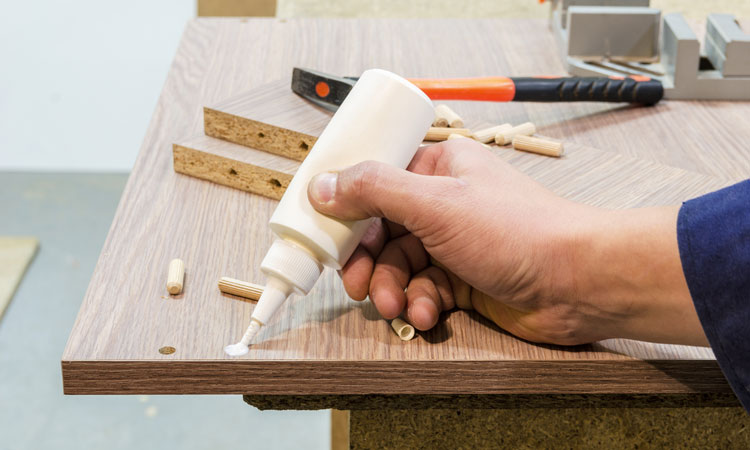
PVA glue is a synthetic polymer adhesive, which is extremely effective in the binding of porous materials, such as wood, cardboard, and paper. PVA glue is favored by many individuals because of its subdued cost and ease of use.
This type of glue can be purchased in bulk containers and doesn’t require any chemical prep or primers before use, though clean, well-fitted surfaces still make for the strongest bond.
The polyvinyl acetate polymer behind PVA glue was first discovered by German chemist Fritz Klatte in 1912, though the wood glue formulas sold today came along later. It has a thick, spreadable consistency and can be dabbed or brushed onto any two surfaces that are to be bonded together. PVA glue is commonly used for woodworking, as well as arts and craft type projects.
Types of PVA Glue
PVA glue splits into a couple of sub-categories, and which one you reach for comes down to what you’re bonding.
Woodworking Glue
PVA glue made for woodworking differs a bit from the craft-store stuff. PVA wood glue typically takes on a yellow or tan appearance, and the bond it forms on wood is strong enough that in most strength tests, the wood itself breaks before the glue joint does.
PVA glue made for woodworking differs a bit from the craft-store stuff. PVA wood glue typically takes on a yellow or tan appearance, and the bond it forms on wood is strong enough that in most strength tests, the wood itself breaks before the glue joint does.
On bigger panel glue-ups, it’s often paired with biscuit joiners for extra alignment and strength, though the glue is usually doing most of the actual holding.
Craft-grade PVA
If you can remember gluing together popsicle sticks, or making a collage as a child, then you’ve already used this stuff. Craft-grade PVA glue (like Elmer’s School Glue) usually comes in a small bottle with a twist-style cap and is white in color.
This type of adhesive is excellent at bonding together paper and cardboard. You could get away with using craft-grade PVA on a wood project in a pinch, but expect some loss in strength.
Common Uses of PVA Glue

Beyond the wood shop, PVA turns up in more places than most people realize:
- Wood adhesive
- Fabric and leather adhesive
- Bookbinding adhesive
- Wallpaper adhesive
- Envelope adhesive
- Arts and crafts glue
- Drywall primer
- Filler (with sawdust added)
Open Time, Clamp Time, and Water Resistance
Every glue review ahead leans on a few numbers, so here’s what they actually mean before you get to the picks.
Open Time
Open time, sometimes called open assembly time, is how long you have to position the pieces, wipe away the excess, and get the clamps on before the glue starts to grab.
A short open time is fine for a simple butt joint. A longer open time matters more on big glue-ups, like a tabletop made from six boards, where you need extra minutes to get everything aligned before it sets.
Clamp Time
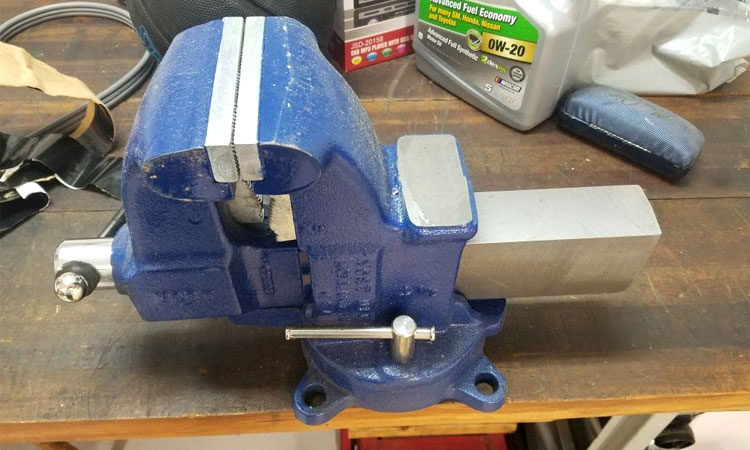
Clamp time is how long the joint needs to stay under pressure before you can safely remove the clamps. Bar clamps and pipe clamps handle most glue-ups, though a bench vise works fine for smaller pieces in a pinch. It’s not the same as full cure. The glue is holding at this point, but it hasn’t reached its final strength yet.
Most PVA glues fully cure in about 24 hours, so even after the clamps come off, give the joint a day before you put real stress on it.
Water Resistance (ANSI/HPVA Type I vs Type II)
This is the rating that tells you whether a glue can handle moisture. Type I passes the industry’s boil test and is considered waterproof, the standard for outdoor furniture, cutting boards, and anything that’ll see direct rain or repeated soaking.
Type II is water-resistant, not waterproof. It can handle occasional dampness or humidity but shouldn’t be used where it’ll be regularly soaked or submerged. Some PVA glues, especially craft and bookbinding formulas, aren’t rated under this standard at all, because they were never designed for structural wood joints in the first place.
Best PVA Glues
#1 – Titebond III Ultimate Wood Glue
If you’re working on something that’ll live outside, or just don’t want to worry about a spilled coffee or a leaky window ruining a joint years down the road, Titebond III Ultimate Wood Glue is the one to reach for.
It’s the first one-part, water-cleanup wood glue built to pass the ANSI/HPVA Type I standard, the industry’s toughest water-resistance rating and the same one used for genuinely waterproof glues. That puts it a step above the water-resistant Titebond II and well beyond original Titebond, which is rated for indoor use only.
Related: 4 Ways to Waterproof Plywood
Open assembly time runs 8 to 10 minutes, longer than most PVA glues, which gives you real breathing room on bigger or more complicated glue-ups. Clamp for at least 30 minutes to an hour, and give it a full 24 hours before putting any real stress on the joint. It’s also solvent-resistant and sands cleanly without gumming up, so you’re not fighting the glue line during finishing.
The tradeoff is color. Titebond III dries a noticeably darker tan than other PVA glues, and on light woods that glue line can stand out more than you’d like. Save it for joints that won’t be highly visible, or ones where the water resistance is worth it.
Best for: outdoor furniture, cutting boards, and any project that needs to survive real moisture exposure.
>> Check current price <<
#2 – Titebond II Premium Wood Glue
The Titebond III above trades some speed for genuine waterproofing, but most projects don’t actually need that level of protection. For everyday woodworking, Titebond II Premium Wood Glue is the one most woodworkers keep on the shelf.
It passes the ANSI/HPVA Type II water-resistance standard, tough enough for outdoor furniture, birdhouses, planters, and picnic tables that see rain and humidity but won’t be submerged or exposed to standing water. Open time runs around 5 minutes, shorter than Titebond III, so you’ll want your joints test-fitted and ready before you start applying glue. Clamp for about 30 minutes, and let it cure fully for 24 hours before stressing the joint.
It also dries a lighter yellow than Titebond III’s darker tan, so the glue line disappears more easily on light woods, one more reason it’s the default choice for interior furniture and cabinetry even when waterproofing isn’t a factor.
The shorter open time is the real tradeoff here. If you’re gluing up something big, like a tabletop made from several boards, that 5 minutes can go fast. For anything more involved, size up to Titebond III instead.
Best for: everyday interior and moderate-exterior woodworking, furniture, and cabinetry where full waterproofing isn’t required.
>> Check current price <<
#3 – Elmer’s Carpenter’s Wood Glue Max
Elmer’s Carpenter’s Wood Glue Max earns its spot for one specific reason most PVA glues can’t claim: it’s both waterproof and stainable.
It passes the ANSI/HPVA Type I standard, the same top-tier water resistance rating as Titebond III, but does it while remaining paintable and stainable after it cures, something most waterproof wood glues can’t manage without leaving a visible blotch.
Real wood fibers are mixed into the formula, which is what makes that staining and sanding possible in the first place, so once the joint’s cured you can move straight into whichever wood finish the project calls for.
Open time runs 10 to 15 minutes, clamp for 20 to 30 minutes, and give it the full 24 hours to cure before putting any load on the joint. Elmer’s own claim, that the wood will break before the bond does, holds up in practice for standard furniture and cabinetry joints.
It’s still a wood glue rather than a structural adhesive, though, so it’s not a substitute for mechanical fasteners on anything actually load-bearing, like a shelf bracket or a structural repair.
The one recurring complaint is the nozzle. It tends to clog with dried glue, which chokes off the flow until you clear it. Most users just pull the nozzle off entirely and apply straight from the bottle opening, which solves the problem for good.
Best for: outdoor and indoor furniture builds where you still want to stain or paint the final piece.
>> Check current price <<
#4 – Gorilla Wood Glue
Gorilla built its name on the foaming polyurethane glue that clogs pores and needs a chisel to clean up, but this isn’t that. Gorilla Wood Glue is the company’s PVA formula, and it behaves like one: no foaming, no mess, just a fast-setting glue built for wood.
Related: How to Get Gorilla Glue Off Skin
It passes the ANSI/HPVA Type II water-resistance standard, suitable for outdoor furniture and moderate weather exposure but not full submersion. Open time runs 5 to 10 minutes, on the shorter side for a PVA glue, and clamp time is just 20 to 30 minutes, quick enough that you can often move on to the next joint the same afternoon.
Full cure still takes 24 hours. It dries a natural wood tone rather than clear, so the glue line blends in on most lumber without disappearing entirely.
The short open time is the real catch. On a straightforward two-board joint it’s not an issue, but on a bigger glue-up with several pieces to align, that 5 to 10 minute window can close faster than you’d like. If you’re working on something with a lot of moving parts, Titebond III’s longer open time is the safer bet.
Best for: straightforward outdoor and indoor joints where speed matters more than a long working window, and for anyone who wants Gorilla’s reputation without the foam.
>> Check current price <<
#5 – Lineco Neutral pH Adhesive
Lineco Neutral pH Adhesive isn’t built for furniture, it’s built for paper, and that’s exactly why it earns a spot here. If you’re repairing a family photo album, rebinding a book, or working on anything where a standard wood glue’s acidity could yellow or damage the material over the decades, this is the adhesive to reach for.
As the name suggests, it’s acid-free and pH neutral, which is what makes it safe for repairs on irreplaceable items like heirlooms and old books without accelerating their breakdown. It dries clear, so repairs stay close to invisible, and unlike the wood glues above, it’s designed to be re-moistenable with water. That’s not a flaw, it’s the point: conservators want repairs that can be reversed later without damaging the original material.
Because it’s not a structural wood adhesive, Lineco isn’t rated under the ANSI/HPVA standard, and the maker doesn’t publish a formal open or clamp time the way wood glue brands do. In practice, it goes on wet, tacks within a couple of minutes, and reaches handling strength quickly, though full drying still benefits from a flat press if you’re working with paper.
The real downside is shelf life. Once opened, it can start thickening or drying out in the bottle within a matter of months, especially if it’s not used often. Buy only what you’ll realistically use on the current project rather than stocking up.
Best for: bookbinding, paper repair, and archival or conservation work where reversibility and a neutral pH matter more than raw bond strength.
>> Check current price <<
#6 – Mod Podge
Mod Podge is not a wood glue, but it’s extremely popular in the crafting and DIY world that it earns a place here. It’s an all-in-one glue, sealer, and finish, applied with a brush or sponge, and it’s the go-to for decoupage projects like covering furniture, jars, or terra cotta pots with paper or fabric.
It’s touch-dry between coats in about 15 to 20 minutes, but that’s not the same as fully cured. Give it closer to four weeks for a full cure if the piece is going to see real handling or wear. It’s water-based and non-toxic, and it works on wood, paper, canvas, fabric, and terra cotta. Some plastics work too, but it’s worth testing a small area first since not all of them take it well.
Like Lineco above, this isn’t a structural wood adhesive, so it isn’t rated under the ANSI/HPVA standard. Some users have noted the bond isn’t as strong as a dedicated wood glue, so skip it for anything load-bearing or structural, and reach for one of the wood glues above instead.
Best for: decoupage, sealing painted or papered surfaces, and craft projects where gluing, sealing, and finishing in one step matters more than raw bond strength.
>> Check current price <<
PVA Glue FAQ
Is PVA Glue Toxic?
PVA glue is non-toxic and doesn’t pose environmental hazards in normal use. That’s a big reason white PVA glue is standard issue in school arts and crafts.
If a small amount is ingested, it passes through the body without causing harm, which probably explains why you’re still alive after eating your fair share of glue and paste as a kid.
Is PVA Glue Waterproof?
Most PVA glue isn’t truly waterproof. Titebond III and Elmer’s Carpenter’s Wood Glue Max, both featured above, are exceptions.
Yellow woodworking-grade PVA glues rated ANSI/HPVA Type II are water-resistant. They can handle rain, humidity, and the occasional soak-and-dry cycle without breaking down, but they’re not meant for constant, direct water exposure.
White craft-grade PVA glue is far less water-resistant and should be kept away from moisture whenever possible. Even the Type I “waterproof” glues have a limit: none of them are rated for continuous submersion or use below the waterline.
PVA Glue vs Elmer’s Glue
There’s a difference between Elmer’s School Glue and the Elmer’s Carpenter’s Wood Glue Max featured above. School Glue uses a thinner, white form of PVA built for paper, cloth, and craft projects, and it’s noticeably weaker than woodworking-grade PVA.
Carpenter’s Wood Glue Max is a different formula entirely, built to bond wood joints and pass the same ANSI Type I rating as premium wood glues. If you’re gluing wood, reach for the wood glue. Save School Glue for paper and craft work.

- Make slime and bond materials like paper, wood, fabric and ceramics
- Safe, washable and non-toxic - ideal for children
- No-run formula is adjustable before setting and dries clear
- The #1 teacher brand, it's great for arts, crafts and school projects
- Smooth, classic white glue formula is perfect for making slime at home or in the...
PVA Glue vs Polyurethane (Gorilla) Glue
PVA and polyurethane solve different problems. PVA is water-based, cleans up with a damp cloth, and works only on porous materials like wood, paper, and cloth.
Polyurethane, the foaming glue Gorilla built its original reputation on, cures by reacting with moisture, which is why it expands and foams as it sets. That makes it useful for gap-filling and bonding non-porous materials like stone or metal, but it’s messier to work with and harder to clean up once cured.
For straightforward wood-to-wood joints, PVA is usually the easier, cleaner choice. Save polyurethane for jobs that need gap-filling or a bond between different material types.

- Our original bottle of glue: A heavy duty glue with a water activated polyurethane formula...
- 100% waterproof: When cured, this waterproof glue doesn't break down when exposed to the...
- All purpose glue: Our original liquid glue easily bonds wood, stone, metal, ceramic, foam...
- Incredibly strong: This extra strong glue expands 3 times into materials to form a Gorilla...
- Temperature resistant: Our adhesive glue creates bonds that hold through hot and cold...
How Do You Remove PVA Glue?
If PVA glue ends up somewhere it shouldn’t, on a hard surface like wood or laminate, it’s simple enough to remove. You’ll need mineral spirits (sometimes labeled white spirits), warm soapy water, a razor blade, and a couple of towels.
Work in a ventilated space since mineral spirits are a solvent, and test an inconspicuous spot first if the surface has a finish you care about.
- First, dampen a cloth in mineral spirits and wipe it across the glue. Keep dabbing and letting it sit until the residue starts to soften.
- Next, take a razor blade and gently scrape away the softened glue. Keep working until the surface is clear.
- Finish with a second cloth dipped in warm soapy water, wiped across the area to clear away whatever residue is left.
For fabric or clothing, skip the mineral spirits. Soak the item in cool water instead, scrape away what you can, then launder as usual.