5 Best Bow Saws for Fast, Smooth Cuts
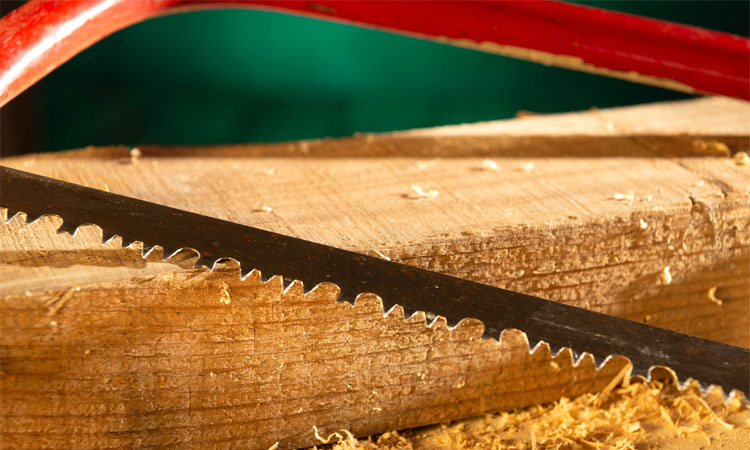
As with any tool, the best bow saw is the one that fits your needs and not simply the most expensive model. In the specific case of a bow saw, look for one that is long enough to cut through the limbs or lumber you typically work with, and has the right number of teeth to quickly cut the material.
For the average homeowner, these saws will be perfect for trimming dead branches, pruning your fruit trees, cutting your family’s Christmas tree or doing most light trimming and branch cutting jobs you need to do. Included are two folding bow saws that are perfect for camping or backpacking.
If you only plan on cutting small branches, a pruning saw may be a better alternative. A handsaw is another type of saw worth considering for general all-purpose tasks. For thick branches, making quick work of cutting your own Christmas tree, and of course larger tree felling, consider a good chainsaw.
Our 5 Favorite Bow Saws
| Product | Type | Length | Weight | |
|---|---|---|---|---|
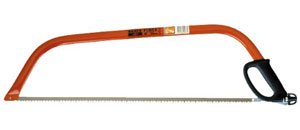 | Bahco 10-30-23 | Traditional | 30 inch | 27 oz |
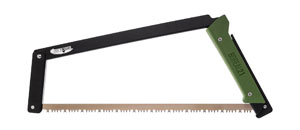 | Agawa Canyon BOREAL21 | Folding | 21 inch | 17 oz |
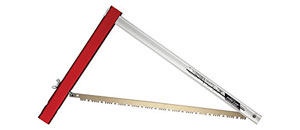 | Sven Saw | Folding | 21 inch | 16 oz |
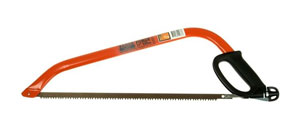 | Bahco 332-21-51 | Traditional | 21 inch | 24 oz |
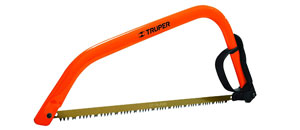 | Truper 30255 | Traditional | 21 inch | 22 oz |
Bow Saw Reviews
#1 – Bahco 10-30-23 30-Inch Ergo Bow Saw
At about 1.5 pounds, the Bahco 30-inch is definitely one of the top bow saws you’ll find. It features a 23-tooth blade that is designed for green wood, but can be used for light dry cutting as well.
The ergonomic design, coupled with the patented knuckle protector and comfortable grip, is easy to hold for long periods of time without undue discomfort. Cutting small branches of 3 to 6 inches in diameter is a snap, and the saw can master a log of as much as 12 inches before you have to do any creative cutting.
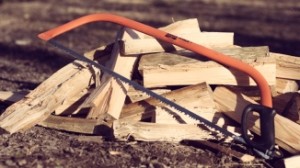 The oval tube frame is crucial to the design, absorbing the stresses of cutting without bending. And to help you out initially, the factory blade is sharpened using state of the art precision tooling to give you a faster, smoother cut.
There is even an engineered tensioning mechanism to keep the blade tight and reduce bowing and binding as you cut.
The snap-on blade guard seem more like an afterthought, and is made of lightweight plastic, but it still works well enough, and the saw is an excellent tool with or without the blade guard. At 30 inches long, it will make quick work of thick branches and small tree stumps but some may prefer the smaller 24 or 21 inch versions.
>> Check current price <<
#2 – Agawa Canyon BOREAL21 21-Inch Folding Bow Saw
This versatile folding saw has automatic tension, making it possible to open it without having to touch the glass filled nylon blade. A high clearance 3-hinge aluminum frame makes deeper cuts possible. Due to the design, this saw can be opened and locked in place quickly and effortlessly.
Those who own this saw consider it the best on the market. Not only does it cut well, the design means no wing nuts to worry about. Changing blades is easy and the tension helps you keep cuts straight and smooth.

You’ll be hard-pressed to find a complaint about this saw. The 21-inch folded length means you might have a few issues getting it into your backpack without some planning. Also, keep in mind that the auto-tension means this saw will literally snap into place and might startle those around you.
>> Check current price <<
#3 – Sven Saw 21-Inch Backpacking Saw
This lightweight backpacker’s saw is the perfect companion for any camping or hiking trip. Its folding blade is made of tempered Swedish steel to provide years of quality service.
When not in use, the blade is completely hidden in a rugged, high strength aluminum frame to protect both you and your backpack from accidental cuts.
When you want a good, reliable camping saw, this is the perfect go-to. Owners report that the saw can cut through small-diameter trees almost effortlessly, and that the overall durability is excellent. Several owners have recommended adding a washer behind the wingnut to help reduce wear.
This saw has a few issues which are common with folding designs. One of the biggest problems is that the blade cannot be tightened past a certain point, making it more difficult to get straight cuts. The other issue is in length. These saws aren’t short, even when folded, so you may find yourself attaching it via the leather strap instead of stowing it.
>> Check current price <<
#4 – Bahco 332-21-51 21-Inch Bow Saw
This pointed-nose bow saw is great for getting into tight spaces. An ergonomic grip makes work easier, while the blade is perfect for cutting through dry timber. A blade cover is also included for safer handling between tasks.
One of the most popular features of this saw is the dual tension control. Large adjustments can be made using two blade stops, while a wing nut allows precise tightening. Owners prefer the 332-21-51 for small to medium jobs, where they say it cuts fast and smooth.
It seems rare, but a few owners have reported getting blades where the teeth weren’t properly set. The reduced kerf resulted in the saw seizing partway through a job. Replacing the blade remedied this situation.
>> Check current price <<
#5 – Truper 30255 21-Inch Bow Saw
With more than 40 years in the industry, Truper is a Mexican manufacturing company that works hard to maintain its reputation as a premier tool company, and this tool is no exception.
The 21 inch Truper 30255 is lightweight at only 22 ounces and has a taller profile than most same-length saws for cutting larger branches.
Made for cutting green wood, this model was designed using the latest engineering technology available. The most significant feature is the cam-and-lever tensioning system which allows you to keep the blade tight and perform straighter, faster cuts without problems.
There have been a few complaints that the rivets are of low quality and break easily. The good news is that they can be readily replaced with ordinary rivets if a problem comes up.
>> Check current price <<
FAQs
Bow saws are extremely useful, whether at home or out enjoying nature. The saw’s design makes it highly efficient at what it does, but it’s not as useful in broader applications. It’s thus important to understand the function of bow saws when investing in one.
What is a Bow Saw Used For?
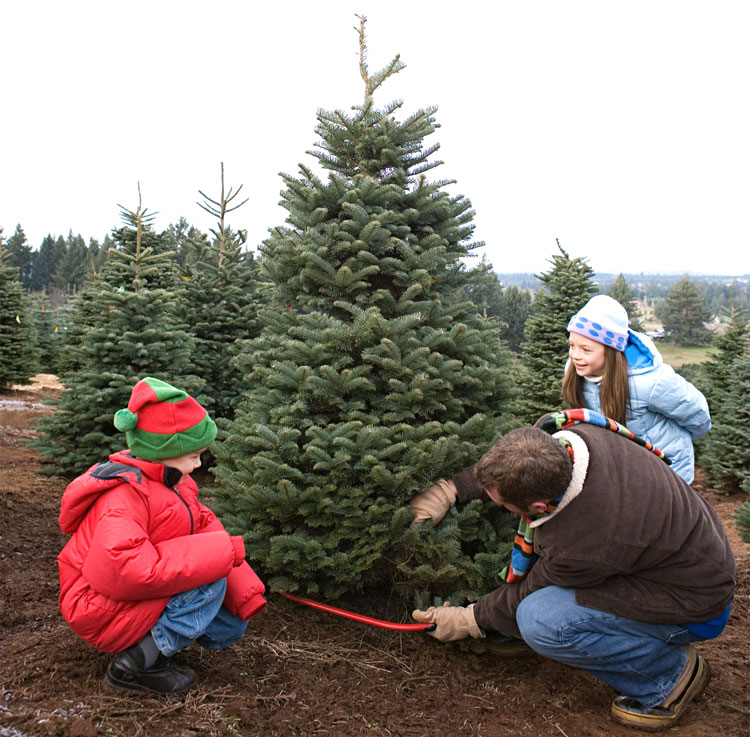
The bow saw is a type of frame saw which gets its name from the drawn bow shape of its frame. Cuts with this saw are rough but quick, making it a perfect choice for cutting firewood, pruning, or cutting down your own Christmas tree.
Due to the shape, bow saws require more clearance than many other types of saw but can also cut deeper before the frame comes into contact with the wood.
Related: Best Pole Saws (Manual and Powered)
Bow Saw vs Folding Saw
While some bow saws feature a foldable frame, they have a very different function than regular folding saws (or pruning saws). A folding/pruning saw is best used on smaller branches and generally flips open with little effort.
Bow saws often require extra steps for folding models, and their smaller tooth count is designed to tackle larger branches. The knife-like shape of a folding saw means it can work in tighter quarters, while a bow saw’s frame gives more gripping area for when two hands are needed.